
CASE STUDY · DISTRIBUTION FIELD
Turn one inspection
into a traceable business result.
Distribution inspection should not end when the photos are taken, reviewed and reported. This anonymized case connected post-inspection analysis, back-office preparation, defect review, report generation and remote collaboration, so each field capture leaves an equipment record and organizational knowledge.
PROJECT MATERIAL
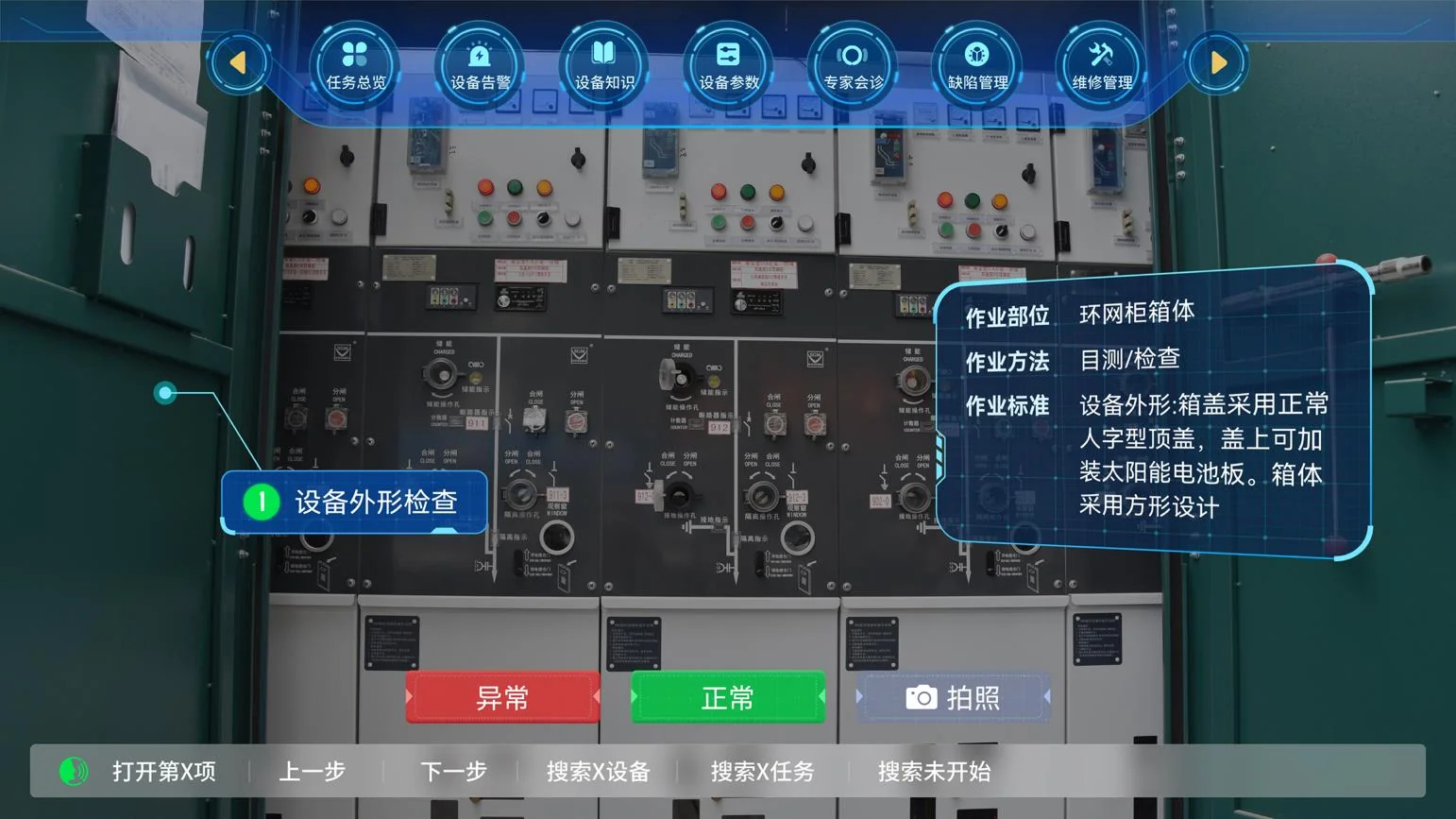
See the equipment and the working view.
Original material from the project. Open an image to see its available detail.
View full image ↗
Equipment, inspection items and review controls shown together.
Original project material · identifying information redacted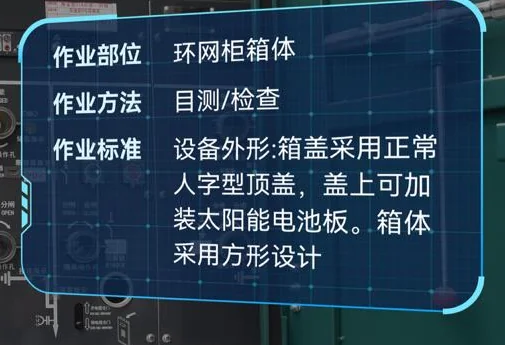 View full image ↗
The equipment location, inspection method and standard from the same project view.
Original project material · identifying information redactedPROJECT QUESTION
After inspection, three kinds of work consume the time.
Field capture is only the start. Judgment, preparation and collaboration have to connect before the material can move into management.
Judgment
AI analyzes photos, video and records after the round, then offers defect candidates and a summary for field review against evidence.
Preparation
Field material is grouped by equipment, location and task. The system prepares back-office fields and a report draft; the owner finalizes it.
Collaboration
When an issue is unclear, AR collaboration shares the same field view. The guidance is analyzed and archived so the next team can retrieve it.
FIELD WORKFLOW
Put the work into one visible chain.
CAPABILITIES
Capabilities that make the chain executable.
Post-inspection summary
Make coverage, exceptions and follow-ups readable first.
Back-office preparation
Group field material by equipment, location and task without losing the evidence chain.
Assisted defect recognition
Offer candidates and evidence; the field owner confirms severity and treatment.
Report drafting
Generate a draft from existing fields and leave missing values explicit.
SceneLock object localization
Locate equipment in multi-angle views so recognition can connect to the ledger and work order.
Equipment-data questions
Ask about equipment, history and task context to find the facts that need review.
AR remote collaboration
Share the field view and spatial markup so dispatch, crew and expert work from one perspective.
Automatic knowledge archive
Analyze guidance and conclusions into searchable memory instead of repeating the same explanation.
WHY IT MATTERS
The end of inspection is not the report. It is a faster next decision.
The point is not only to spot a defect. It is to give judgment evidence, collaboration context and experience that can be reused. This project connected field capture, equipment objects, back-office flow and remote experts so inspection material could continue into management and decisions.
Design from the result
Bring the work after capture into the system boundary instead of splitting it across tools.
Keep collaboration context
Save view, markup, voice and conclusion together.
Return experience to the equipment
Let the next inspection begin with the facts already confirmed.
DELIVERY NOTES
Keep the boundary clear.
Align the data spine first
Locations, equipment IDs, task state and report fields need one shared definition.
Keep the human in the loop
Defect severity, treatment advice and report sign-off remain with the responsible people.
NEXT STEP
Bring one real job to the conversation.
Share a redacted record, equipment list or existing report. We will help decide which part is worth validating first.